Pet / animal odor
Usually a cleaning-depth problem.
Hair, oils, urine, food residue or other organic contamination may remain in carpet, upholstery, padding or foam.
Deep cleaning or extraction may help where the material allows.
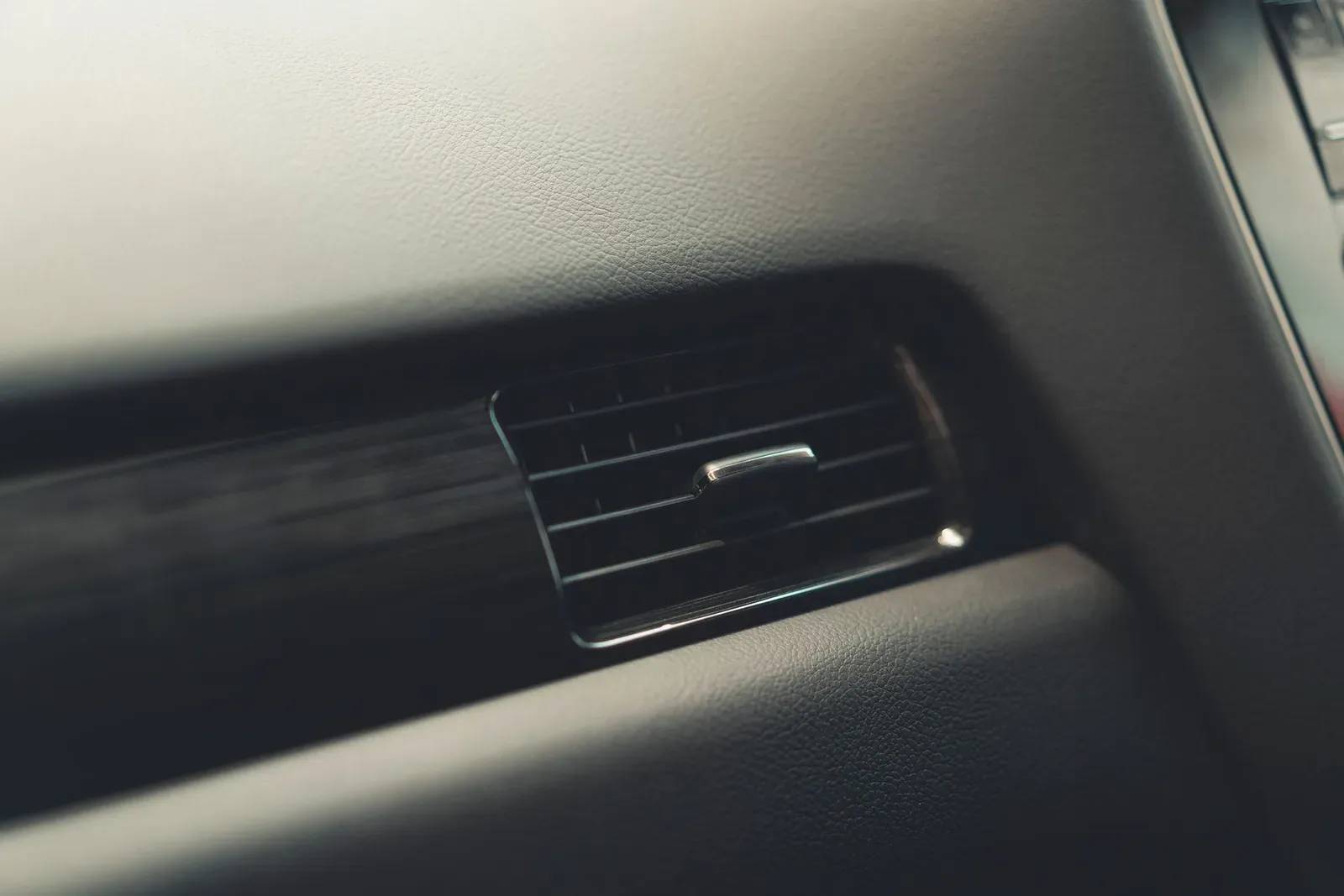
A fresh scent can change the air. It doesn’t always remove the source.

The smell you notice is in the air. The source may be somewhere else.
If an odor appears mainly when the fan or A/C starts, the airflow system may be part of the problem. A contaminated cabin filter can matter, but replacing it cannot remove a source that is still in the carpet or seats.
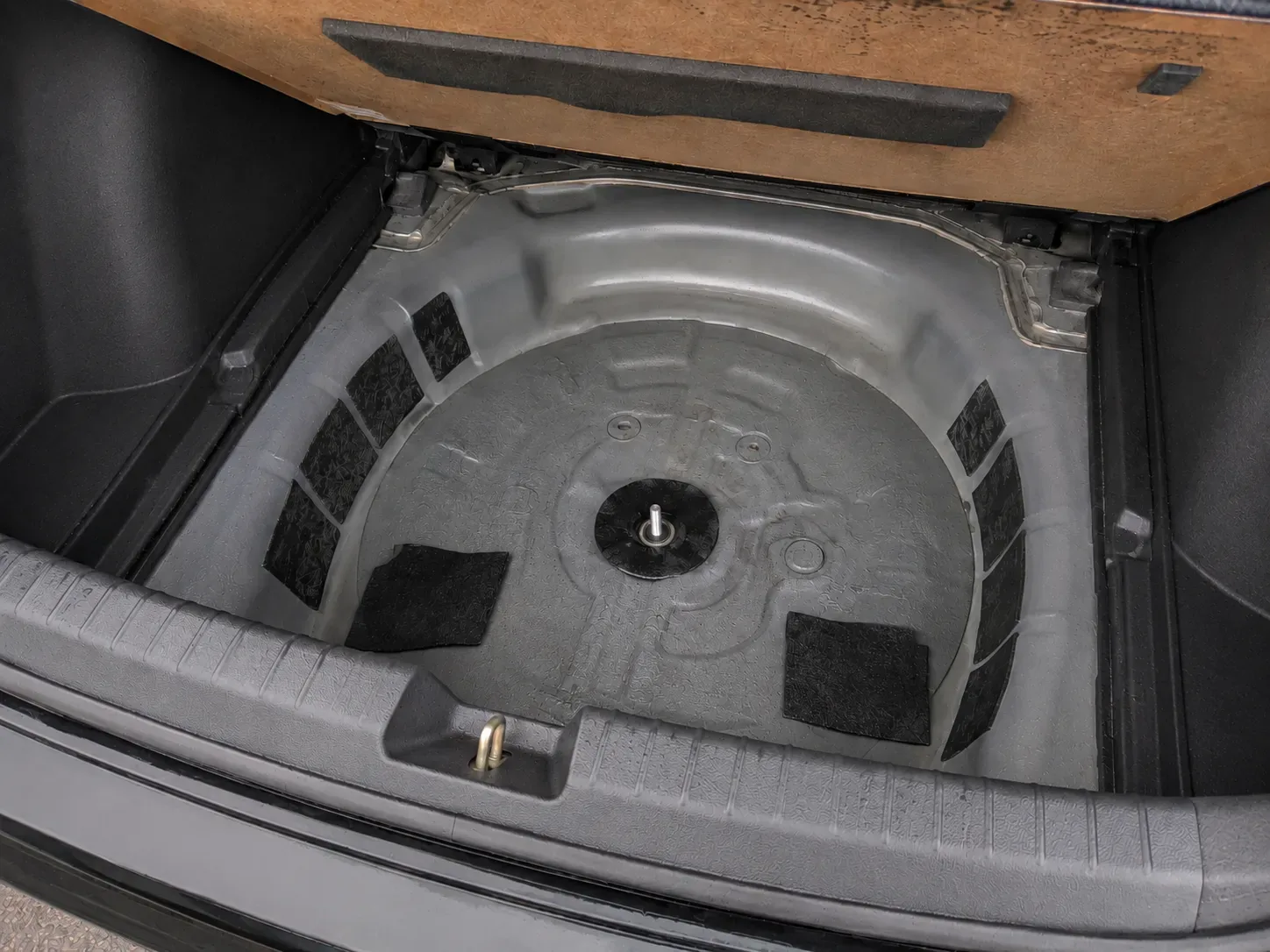
If water is still entering or sitting inside the vehicle, deodorizing it first misses the real issue.
A continuing leak can recreate the same moisture problem after cleaning.
Free or pooled water should be removed promptly instead of treating the smell around it.
Carpet, padding and other layers may need to be exposed, cleaned or extracted where appropriate.
Airflow and humidity control help wet materials dry instead of remaining a continuing odor source.
Final odor treatment comes after the moisture problem is under control.
The deeper liquid or organic residue reaches, the harder it becomes to treat the source from the surface.
Material-appropriate cleaning may be able to reach most of the affected area when contamination has not penetrated deeply.
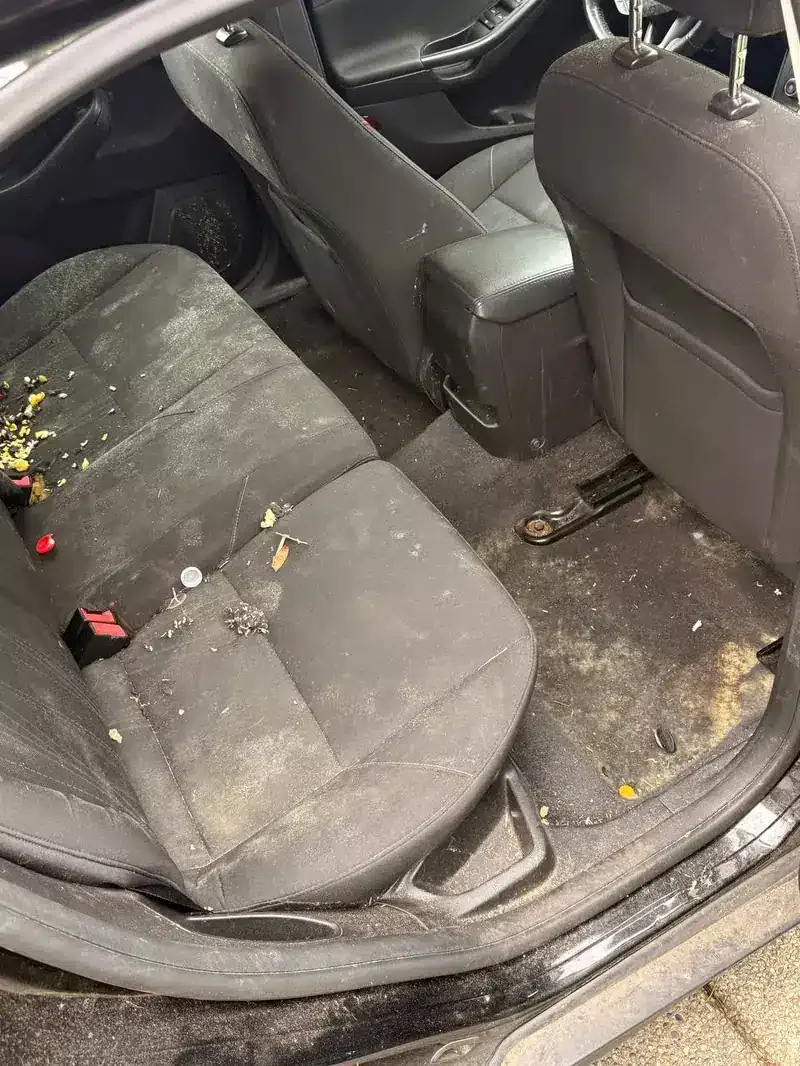
The vehicle had a strong animal / rodent-type odor. The exact source was not confirmed.
A strong animal smell does not tell you exactly what caused it. Visible rodent waste or nesting material changes how the vehicle should be handled.
Hair, oils, urine, food residue or other organic contamination may remain in carpet, upholstery, padding or foam.
Droppings, urine, nesting material or a carcass should not be treated like ordinary interior dirt.
Heavy infestation, inaccessible nests, a dead animal behind trim or contamination deep inside HVAC components may require mechanical, pest-control or other specialist access first.
Different odor sources need different work. Cleaning deeper helps only when the contaminated material can actually be reached.
It can remove loosened and suspended contamination from suitable carpet or upholstery — but it does not prove that every deeper layer has been reached.
Carpet and suitable upholstery can often be cleaned below the immediate surface. The limit is depth: padding, foam, seams or hidden layers may still hold contamination.
A cabin air filter can be relevant when it is contaminated, but replacing it will not remove an odor source that is still in the carpet, seats, trunk or another HVAC component.
Ozone can react with some odor-causing compounds. It does not physically remove urine, standing water, dirty padding, rodent material or another source that is still there.
React with some odor-related organic compounds.
Be used as a supplemental treatment after source control.
Be part of a broader odor-removal process when used carefully.
Replace physical cleaning or source removal.
Guarantee permanent odor removal.
Prove that embedded contamination in foam or padding is gone.
Ozone should not be used with people or pets inside the vehicle. The vehicle is ventilated before it is returned to use.
A car can smell much better right after cleaning and still have a source that keeps putting odor back into the cabin.
Carpet backing, padding or seat foam can hold contamination below the visible material. Cleaning the surface may improve the smell without fully reaching the deeper source.
Many interior odors can improve substantially when the source can be identified and reached. Some problems need repair, access or replacement before detailing can finish the job.
If water keeps entering the vehicle, cleaning may only improve the condition temporarily.
Some absorbent material may need deeper access, removal or replacement instead of repeated surface cleaning.
A carcass, nest or contaminated insulation may require mechanical or pest-control access before cleaning can help.
Some vent-related odors need HVAC diagnosis or component service rather than more carpet or seat cleaning.
Odor-removal results depend on the source, how deeply contamination has reached and whether the affected material can actually be accessed.
The short version of the questions we hear most often when a vehicle still smells after cleaning.
Send us a few photos and tell us when you notice the odor — all the time, after rain, or mainly when the fan or A/C starts. That usually gives us a much better place to begin.
Interior deep cleaning
Carpet extraction when appropriate
Seat cleaning based on material
Cabin filter replacement when relevant