

ATW CAR CARE GUIDE · WASHINGTON
How Often Should You Detail Your Car?
Not every car needs the same schedule. How you drive, what gets inside, and what builds up outside matter more than a fixed date on the calendar.
Find your starting pointTHE SHORT ANSWER
Plan regular care. Adjust to your car.
A full professional detail every four to six months is a commonly suggested industry starting point, not a vehicle-manufacturer requirement. Your own routine may be more or less frequent depending on use, exposure and the standard of appearance you want to maintain.
Washing and light interior upkeep usually happen more often; they are not replacements for occasional thorough detailing. Regular professional detailing can be worthwhile before a car looks heavily soiled, especially for a frequently used vehicle.
Extraction, machine polishing and protective coatings are separate decisions. Follow your owner's manual and any coating-specific maintenance instructions rather than treating those procedures as calendar appointments.
A PRACTICAL ROUTINE
Think in levels, not one big appointment.
Wash & remove loose debris
Clear road film, visible grime, crumbs and sand before they accumulate. Pay prompt attention to bird droppings, bugs and other deposits that should not remain on the finish.
More thorough detailing
A periodic professional detail can help maintain an already cared-for car, while heavier buildup may call for more thorough attention. The right scope depends on the condition and your priorities.
Deep cleaning & extraction
Suitable fabric or carpet with embedded contamination may need a separate method. Not every stain needs extraction, and not every material can safely receive it.
When extraction is appropriate →BETWEEN DETAILS
A clean car has a care story.
Regular upkeep and periodic professional detailing can work together. Explore four stages of the same everyday vehicle — not a fixed month-by-month prediction.
FRESH DETAIL
Enjoy the fresh start.
After a thorough detail, simple care keeps the vehicle pleasant to use. No need to wait for visible neglect before thinking about the next refresh.
Next: gentle washes and quick interior tidy-ups.
HOW YOU USE IT
Your daily routine changes the cleaning routine.
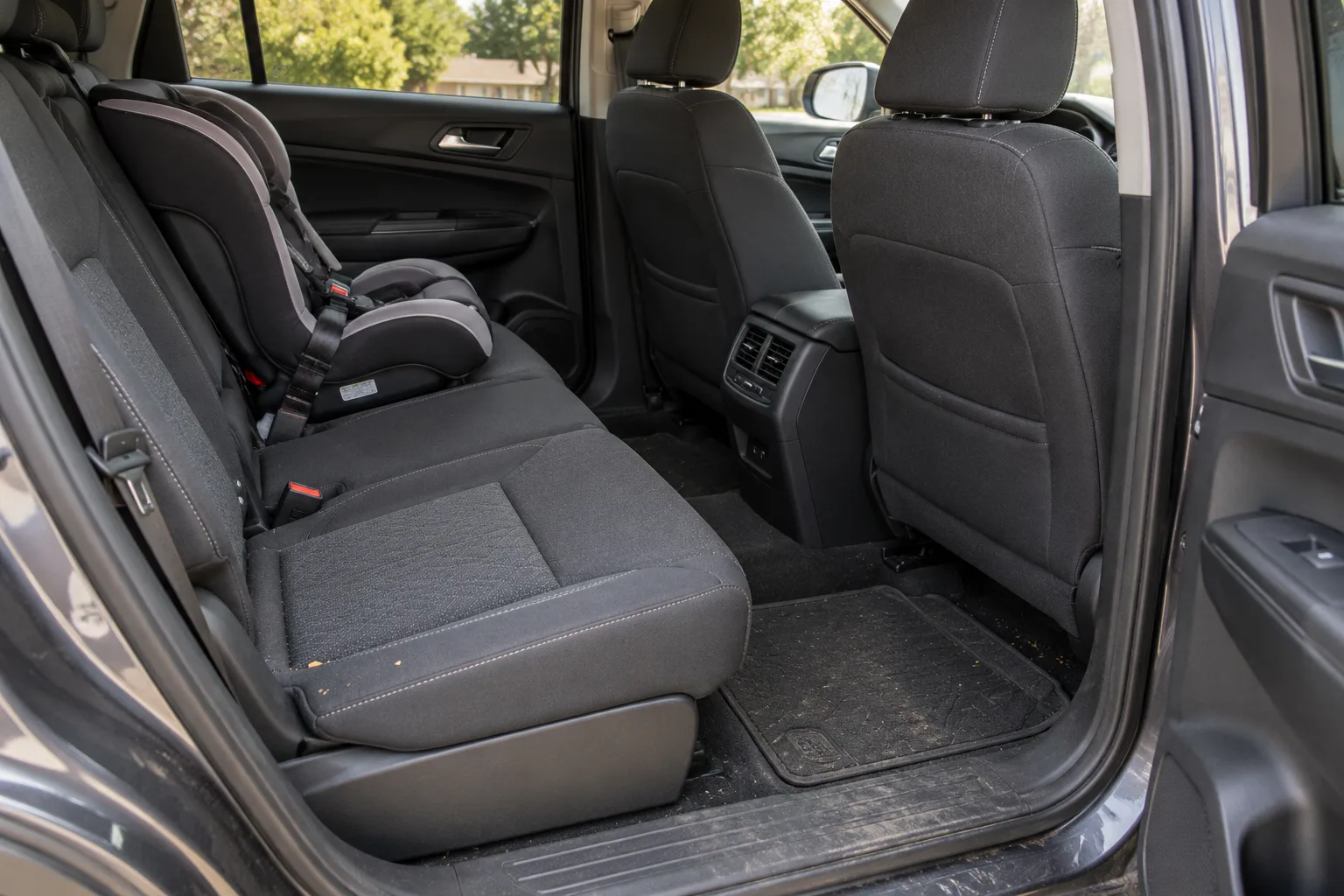
A car with school pickups, snacks and pets may need more frequent vacuuming and spot attention. A weekend vehicle may stay cleaner for longer — unless it is stored damp or exposed to environmental residue.
Work shoes, sports equipment, hiking trips and long commutes also change the picture. Focus on affected surfaces rather than treating every use case as a reason for the most expensive package.
FOUR SEASONS · ONE VEHICLE
In Washington, the calendar changes the exposure.
The same car faces different cleaning priorities throughout the year. These are visual seasonal illustrations, not measured wear or a required four-times-a-year service schedule.



 WINTER / ROAD RESIDUE + GRIT
WHAT TO WATCH
Winter: road residue + grit
Road grit and winter treatment residues deserve timely exterior washing, particularly around lower panels and wheel areas after treated-road driving.
When to check again: After driving on treated winter roads or when grit and film become visible.
After driving on treated winter roads, wash off residue when conditions permit. For additional local context, see how Washington roads are treated in winter.
THE REAL SIGNALS
Five signs it may be time for more than a quick clean.
- Carpet and mat debris keeps returning after basic vacuuming.
- Sticky buildup or grime remains around high-touch surfaces.
- Spills or localized marks need material-appropriate treatment.
- Road film, bonded contamination or rough paint persists after washing.
- A damp or unpleasant smell keeps coming back and needs its source identified.
Some problems need diagnosis rather than detailing. Persistent moisture, leaks and HVAC-related smells may require repair; cleaning alone cannot fix the underlying cause.
Why car odors come back →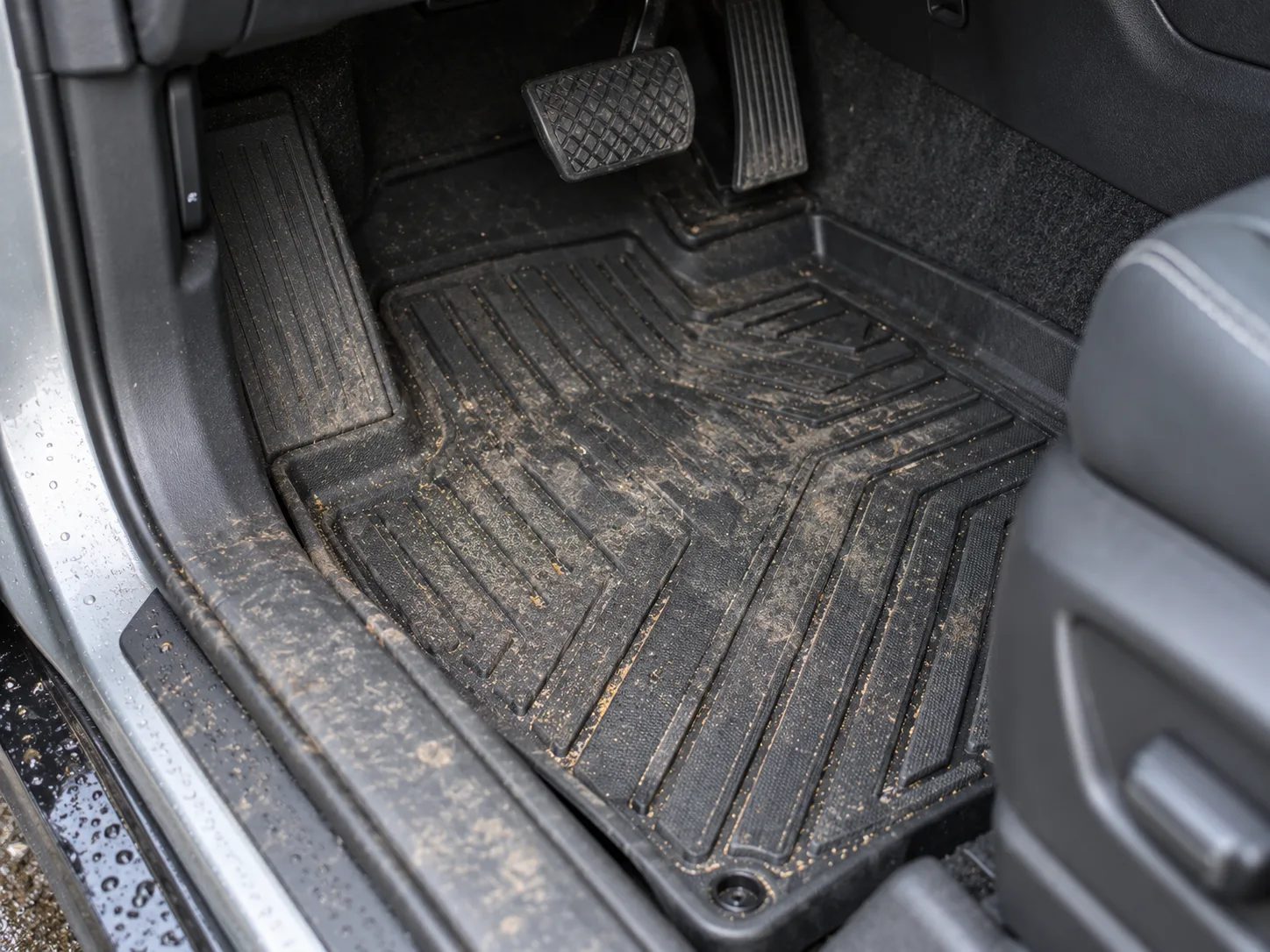
MAINTENANCE VS RESET
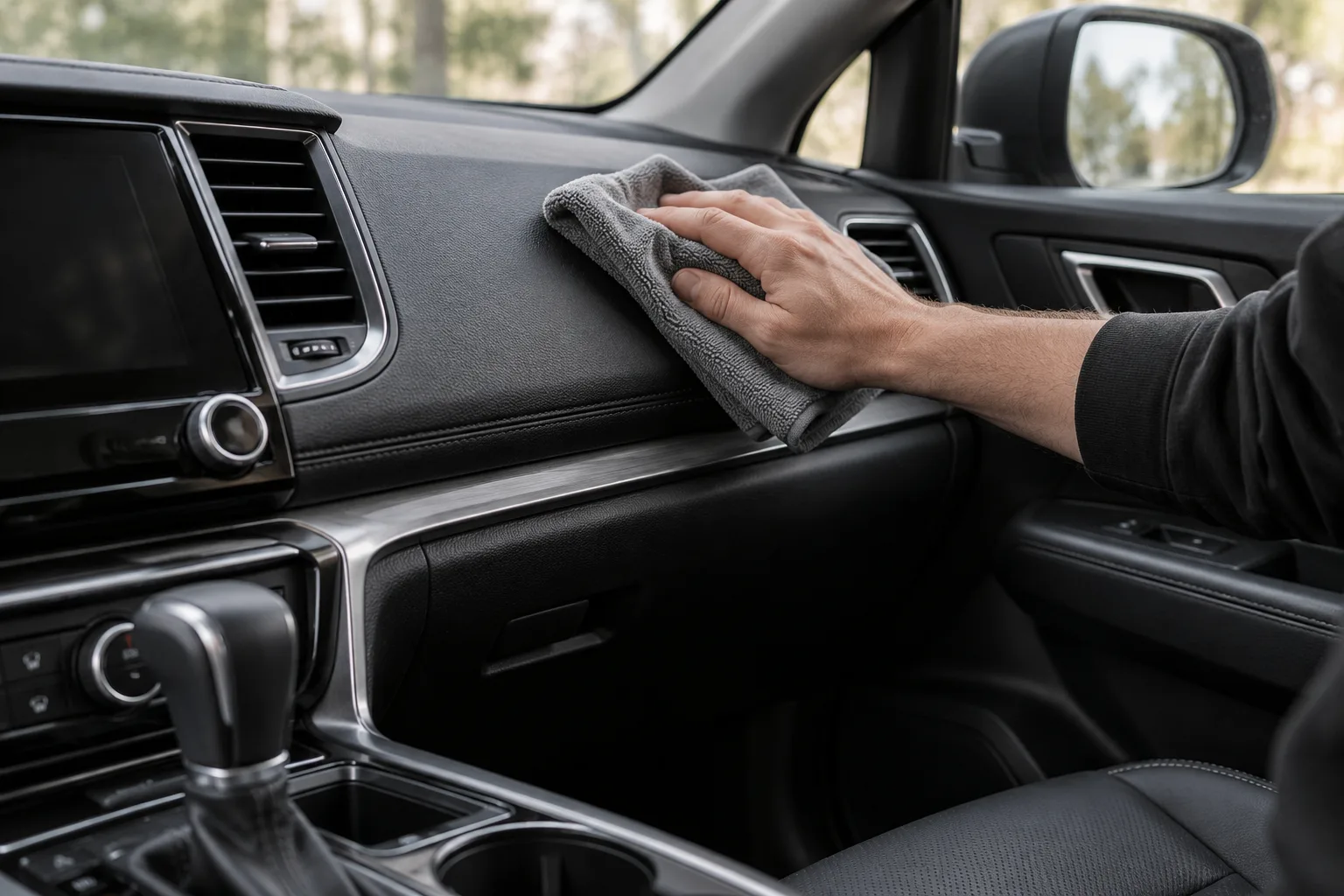
Between details, small habits matter.
Remove loose dirt before rubbing surfaces, use products appropriate for the materials and avoid unnecessary saturation of upholstery. Address spills early, and let wet mats and fabrics dry properly.
A well-kept interior can still benefit from periodic professional attention. Choose Interior Detailing when the cabin is the priority, Exterior Detailing for more thorough outside care, or Full Detailing when both need attention. These are existing services, not a separate maintenance package.
COMMON QUESTIONS
Detailing frequency FAQ
How often should a daily driver be detailed?
There is no universal interval. Many drivers use regular washing and interior upkeep between more thorough details, and adjust the timing when dirt, stains or seasonal buildup justify it.
Do I need a full detail every month?
Not necessarily. Monthly routine care can be useful, but a full interior-and-exterior detail may be unnecessary when the vehicle is maintained and lightly used.
Should I detail more often if I have children or pets?
Often, yes for targeted interior maintenance. Crumbs, pet hair, spills and moisture can call for earlier attention, but that does not automatically mean the whole vehicle needs deep cleaning.
Does Washington weather affect detailing frequency?
Yes. Rain, pollen, mud and winter road treatments change the kind of buildup you encounter. The right response depends on actual conditions and exposure, not simply the calendar.