Quick Cleanup
Loose debris from accessible floors, seats and cargo areas. It is not stain removal, extraction or a full interior detail.
A work van does not automatically need the biggest detailing package. It needs the service level that matches its actual condition, daily use and the baseline your business wants to maintain.
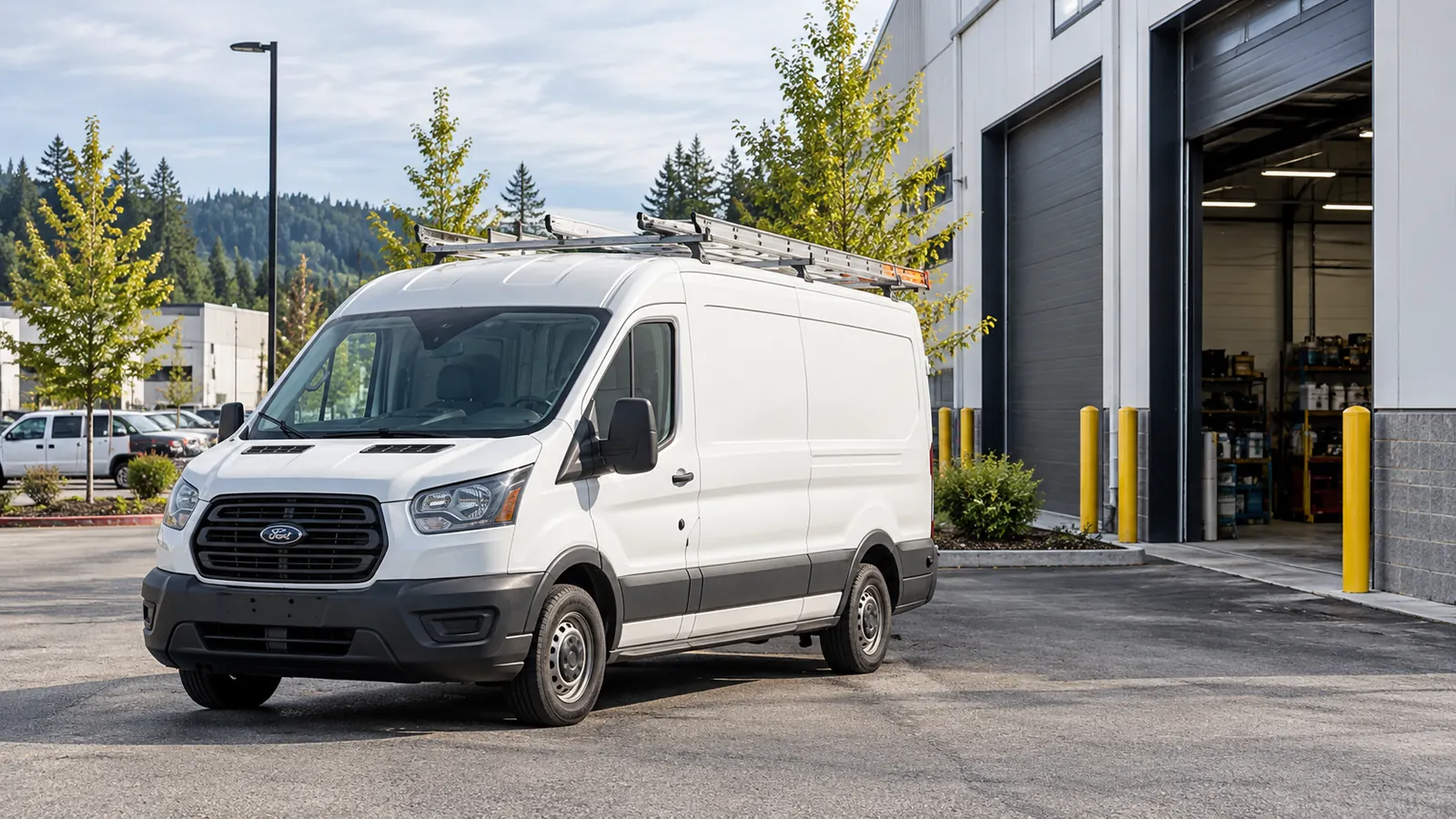
Commercial vehicle detailing gets confusing when every level of cleaning is called a “detail.” A quick cleanup, routine maintenance, an interior reset, deeper textile work and a full interior-and-exterior detail solve different problems.
For a fleet manager or small business owner, the useful question is not “Which package sounds best?” It is: what is the minimum service level that returns this vehicle to the condition your business expects?
Mobile detailing done thoroughly — not rushed. Family-owned in Bonney Lake. Backed by real mechanical & trucking experience.
Commercial jobs are reviewed around the actual vehicle, condition and requested scope before the quote is confirmed.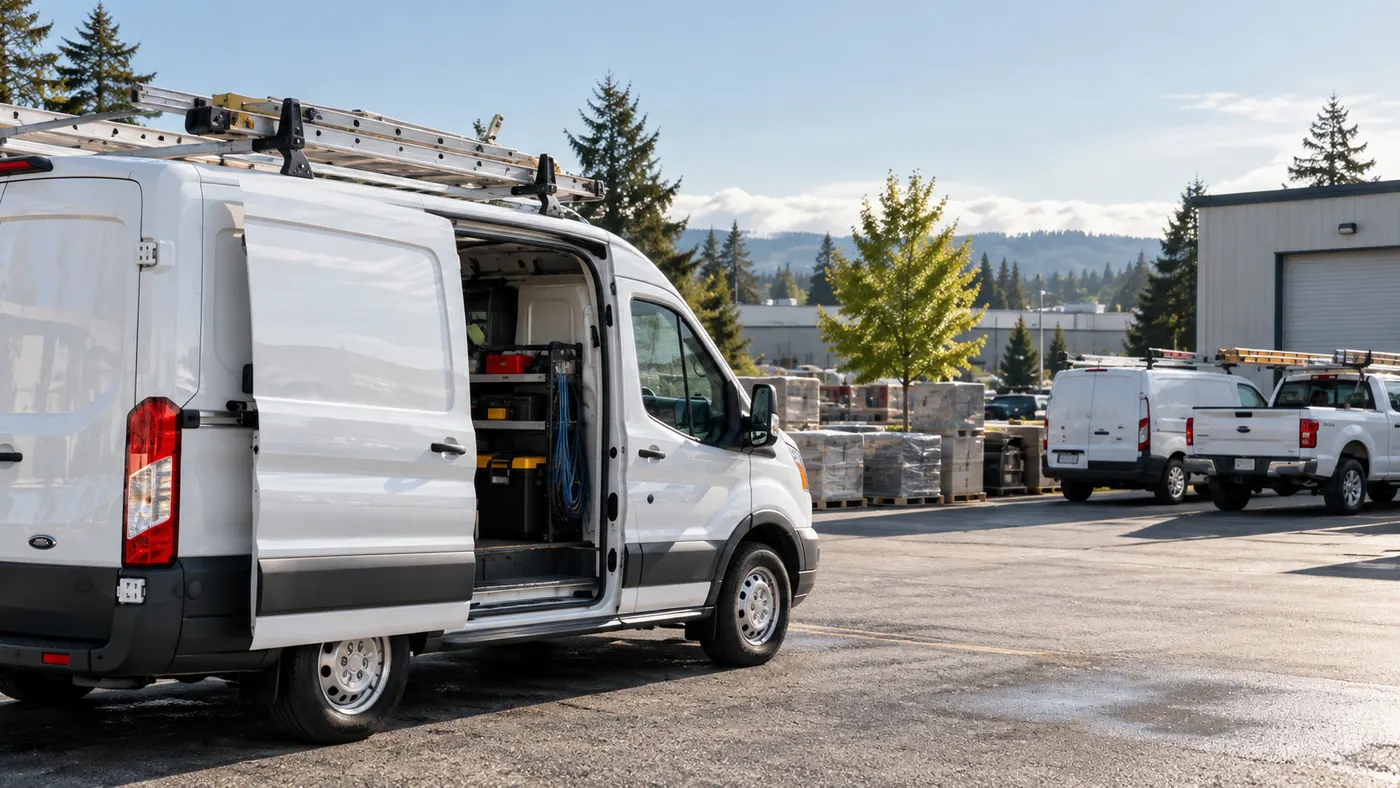
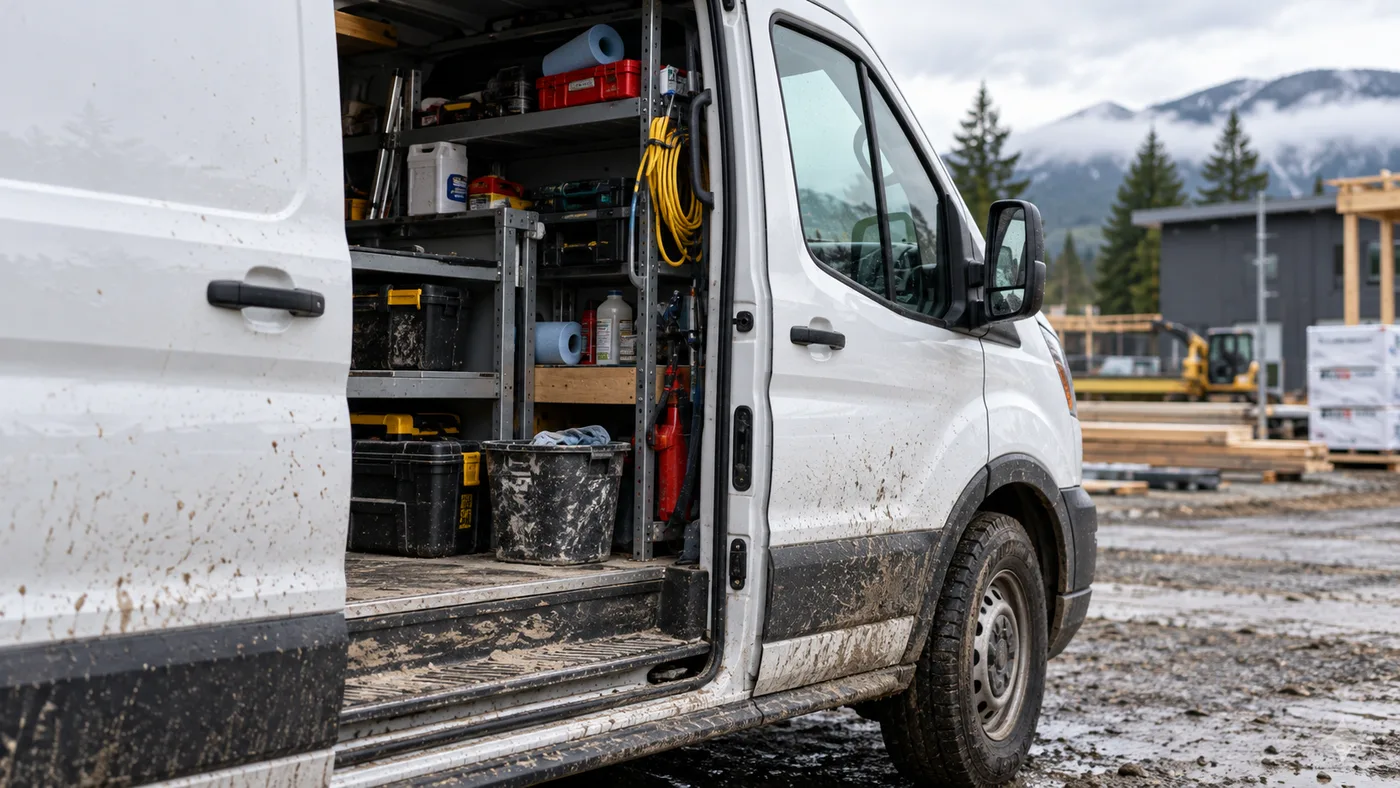
Service vans collect a different mix of debris than a personal commuter car. Frequent entry and exit, tools, job-site dust, wet footwear, cargo movement and daily use can create buildup in the cab, step areas and cargo floor at the same time.
That is why the useful starting point is the vehicle’s actual condition, not a consumer sedan or SUV package.
Pick what looks familiar, then choose a cleaning level. Use the slider to compare a working-condition vehicle with the clean baseline ATW would be working toward.
Your selected conditions give the context. The cleaning level shows what that level is meant to handle and what may still need a deeper review.
This is a practical service guide, not a remote diagnosis. Material type, contamination and actual condition still matter. An odor that keeps returning needs source assessment; ordinary detailing cannot promise to remove every odor source.
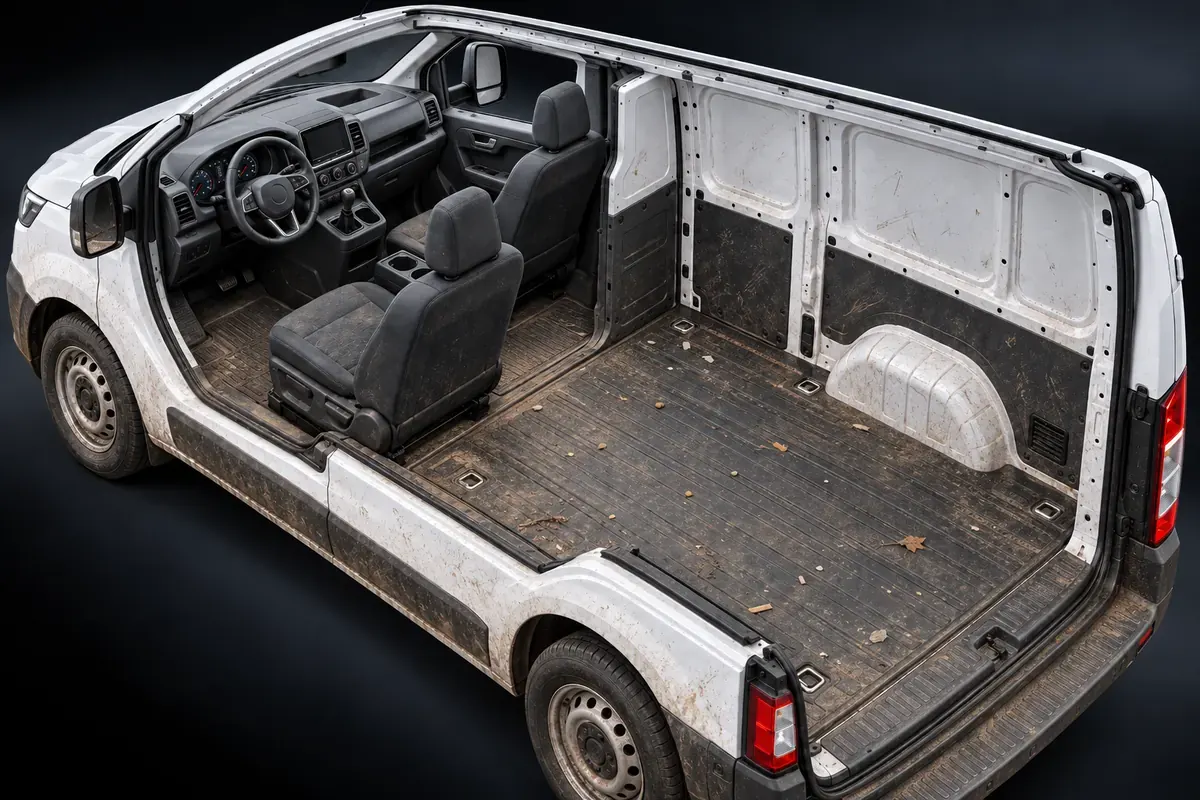
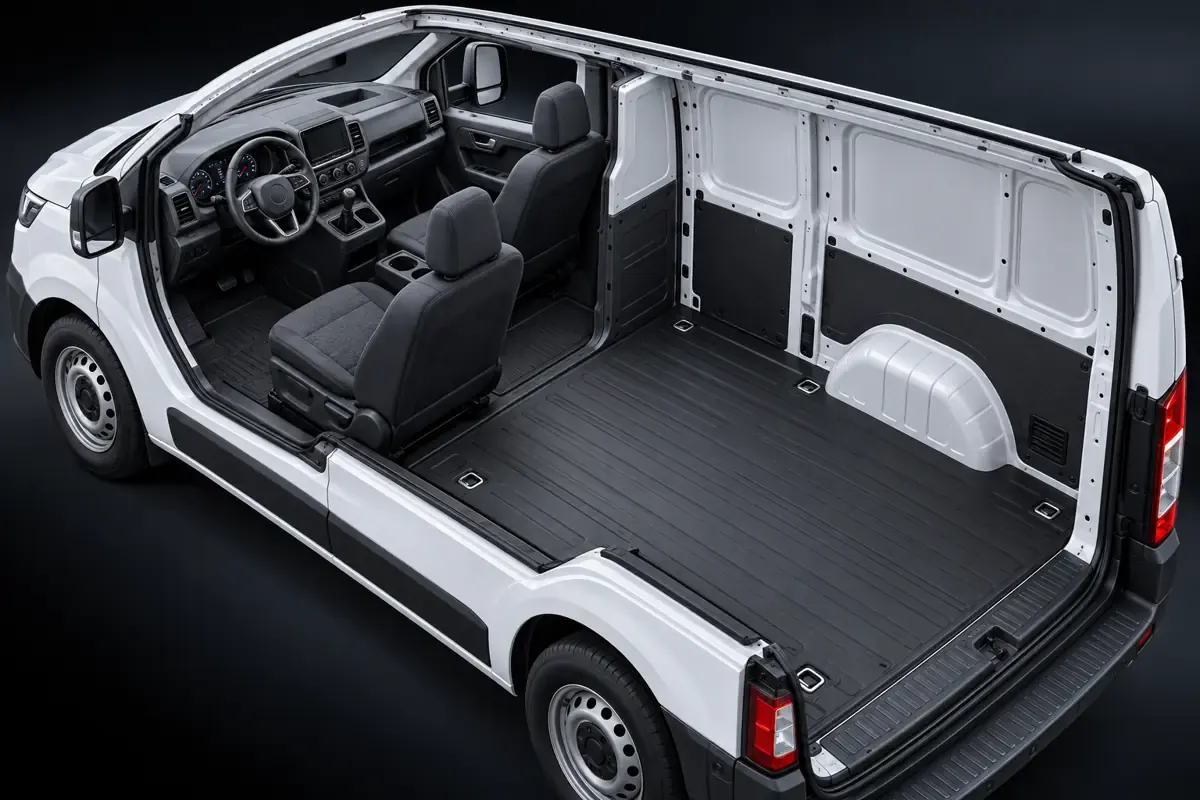
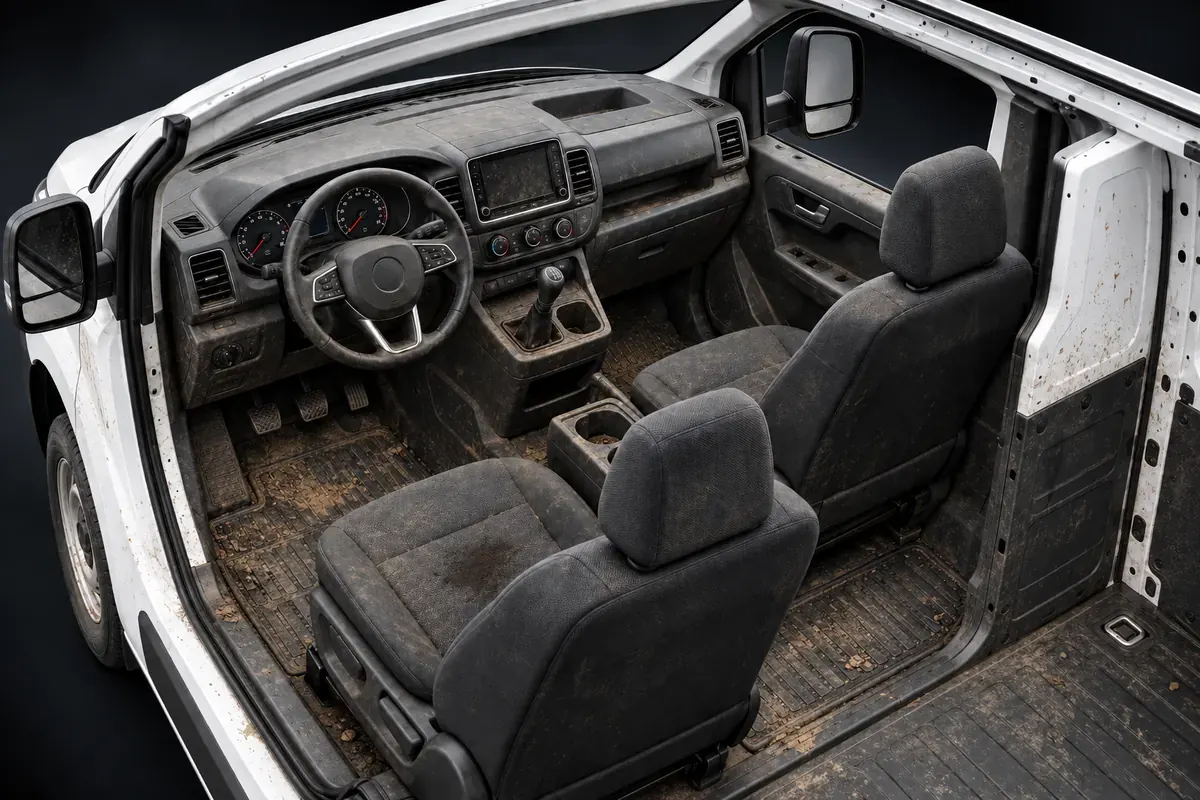
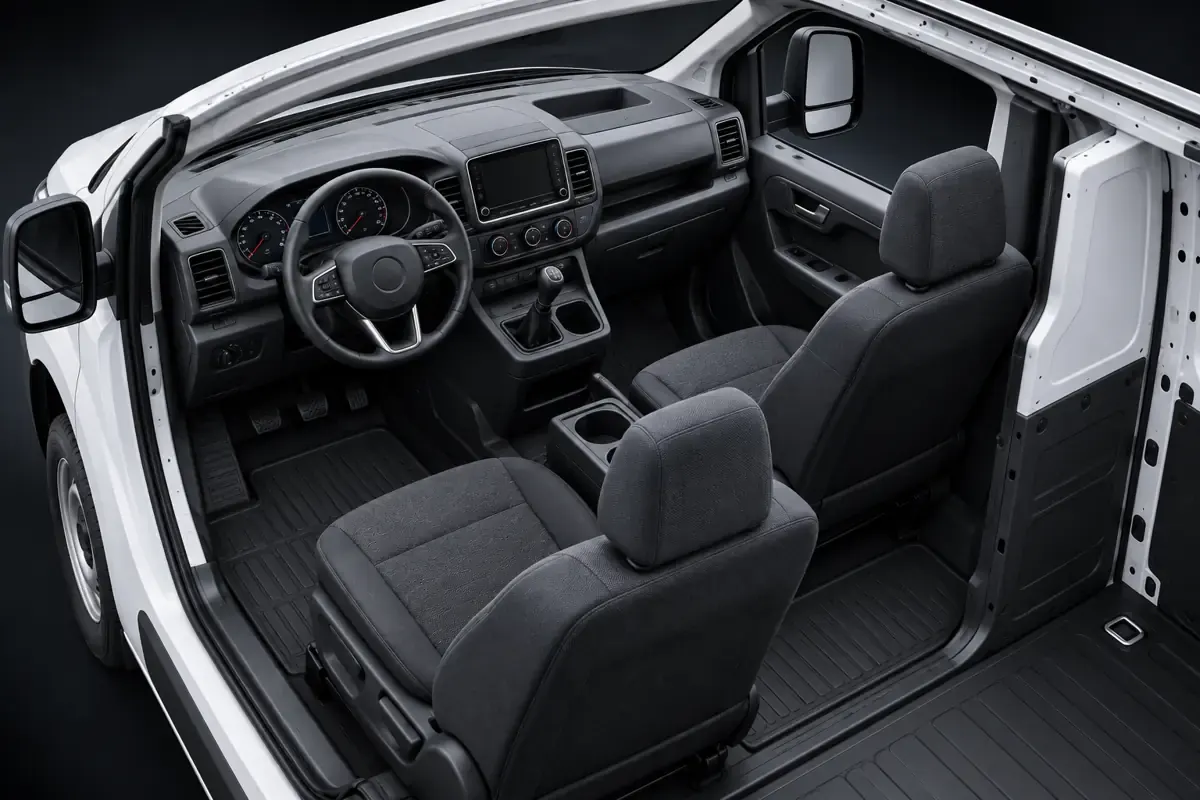
The names are ATW’s practical content framework, not an industry-wide standard. Commercial providers use different terminology, so the scope matters more than the label.
Loose debris from accessible floors, seats and cargo areas. It is not stain removal, extraction or a full interior detail.
Routine vacuuming, mats, glass and common hard surfaces for a vehicle that is already near the desired baseline.
A more thorough cab or cargo clean when buildup has moved beyond routine maintenance. Crevices, step areas and accumulated surface grime receive more attention.
For embedded textile soil or staining where deeper treatment is appropriate. Extraction may be one method when the material and condition call for it.
Interior and exterior work combined when the vehicle needs a broader reset. Paint correction and coating are separate services, not routine fleet maintenance by default.
There is no useful universal answer that every work van should be detailed on the same interval. The more practical approach is to watch for condition changes that move the vehicle into a deeper service level.
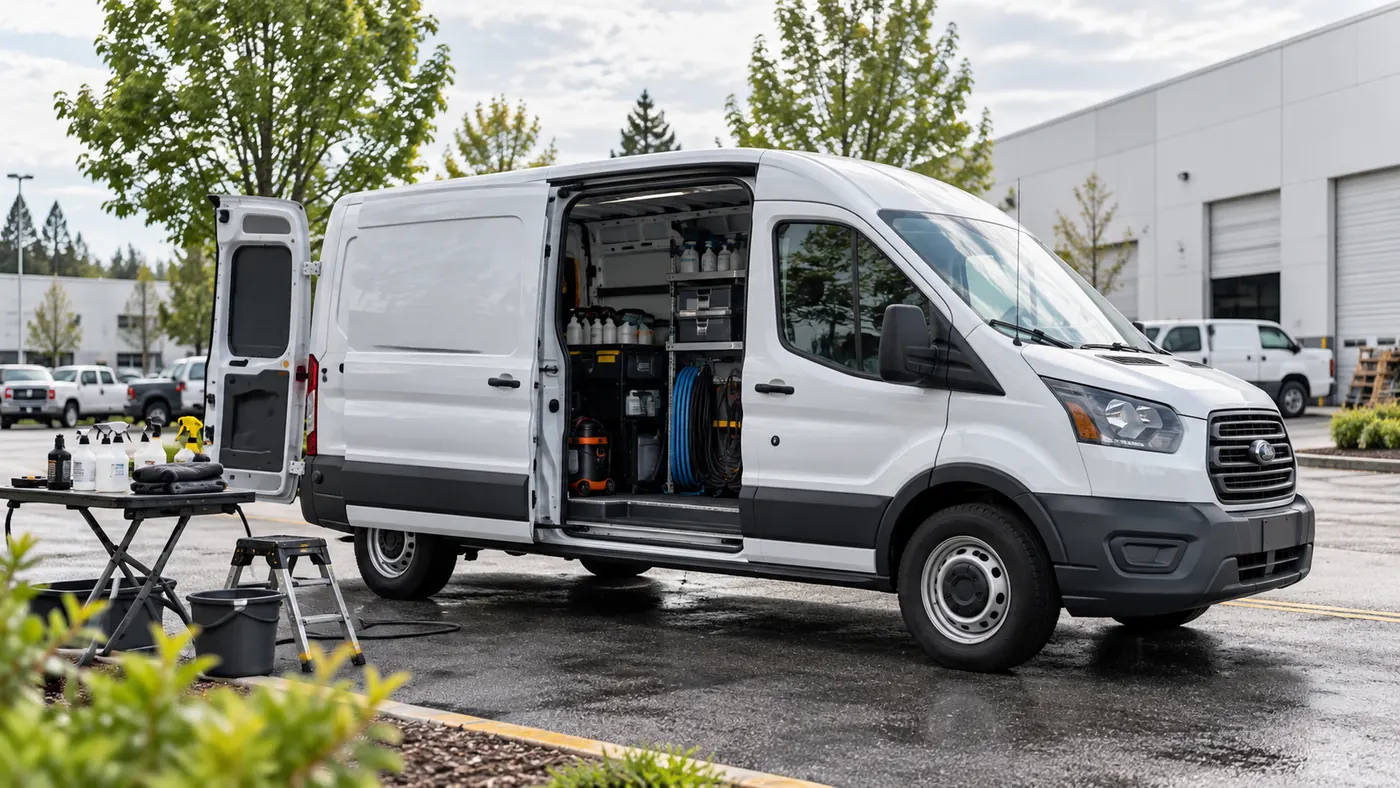
These are operating examples, not claims that every vehicle in a trade gets dirty in the same way.
Frequent entry, wet footwear, job-site dust, cab debris and tool-area soil can move the priority toward floors, steps and repeatable interior maintenance.
Mud, grit and dust can build in textured floors and lower surfaces. A clean baseline makes it easier to see when the vehicle has moved beyond a maintenance scope.
Repeated entry and exit puts attention on mats, driver controls, cupholders, glass and accumulated cabin debris.
Passenger turnover can make spills, glass, seats and frequently handled surfaces more important to inspect. Routine cleaning and disinfection are not the same process.
Wet-weather entry, mud and winter-road residue are legitimate condition factors for Washington work vehicles. WSDOT uses chloride-based winter treatments, but that does not create one detailing interval that fits every fleet.
For mobile commercial work, site access and drainage can also matter when exterior washing is part of the job.
Fleet cleaning can be a lighter maintenance service focused on loose debris, mats, glass and commonly used cabin surfaces. A full detail is a broader interior-and-exterior scope. The right choice depends on vehicle condition, use and the baseline your business wants to maintain.
No. A vehicle that is already being maintained may only need a lighter maintenance service. Built-up grime, embedded soil, stains or a neglected cargo or cab area can justify a deeper reset.
Extraction is a method for suitable textile surfaces when soil or staining is embedded in carpet or upholstery. It is not automatically needed for every fleet vehicle and it is not appropriate for every material.
Yes. ATW provides mobile commercial vehicle detailing for cargo vans, work trucks, service vehicles and fleets. Multi-vehicle work is reviewed around vehicle mix, condition, location, access and scheduling.
Recurring commercial service may be available depending on fleet size, location, route and desired scope. We review representative vehicles first so the recurring service is built around actual condition rather than a generic package.
For a small fleet, the service decision is not only about how dirty the vehicle is. Location, access, the number and mix of vehicles, and the time available for service all affect how the job should be planned.
ATW reviews commercial work before scheduling so the service fits the actual vehicles, the property and the requested result instead of forcing every fleet into one fixed package.
Commercial Vehicle & Fleet Detailing →Send the vehicle mix, location and photos of two or three representative units. ATW can review the visible condition and help define whether the fleet needs maintenance cleaning, an interior reset, deeper textile work or a broader commercial detail.